


The date has been set: On September 20, the International Paul Preuss Society (IPPG) will honor Babsi Zangerl as the second woman to receive the Paul Preuss Prize. The ceremony will take place in Altaussee, with numerous renowned members of the alpine and climbing community in attendance.
Barbara «Babsi» Zangerl becomes the first woman after the French climber Catherine Destivelle (2021) with the Paul Preuss Prize The award is named after the "father of free climbing," Paul Preuss (1886–1913), and recognizes outstanding achievements in mountaineering and climbing. Zangerl will be presented with the prize at a ceremony on September 20.
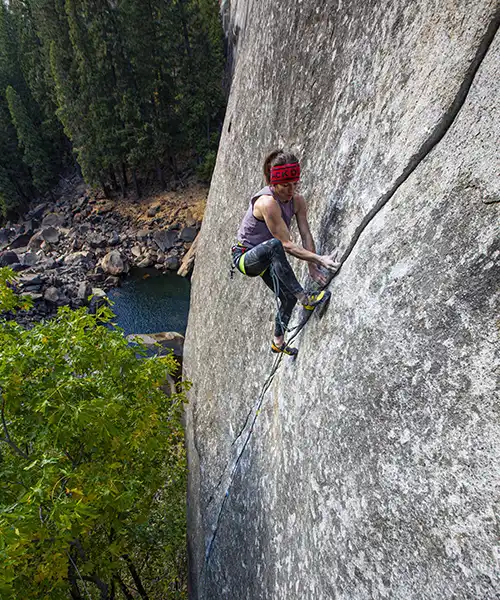
Prominent representatives of the scene honor Zangerl
Numerous renowned representatives of the alpine and climbing scene will be present at the awards ceremony in Preuss's hometown of Altaussee in Styria. Among them are previous award winners such as Alexander Huber, Beat Kammerlander, Bernd Arnold, Hanspeter Eisendle or Dani Arnold, who was honored with the prize last year. The award is traditionally presented by the International Paul Preuss Society (IPPG) – now for the 13th time. The first winner was the South Tyrolean alpine pioneer Reinhold Messner.
In addition, many other prominent alpinists have announced their participation in advance: Gerlinde Kaltenbrunner, Heinz Zak, Ines Papert, and Roger Schäli. A number of participants from the expedition squads of the alpine clubs are also expected this time.
Supporting program with renowned participants
The host IPPG describes the award of the Paul Preuss Prize as a meeting place for "alpine legends and young, aspiring climbers from the Alps." In addition to the festivities, the program also includes lectures and exchange formats.
This year's alpine discussion, led by mountain and ski guide Jan Mersch, will feature previous Paul Preuss Award winners Dani Arnold and Hanspeter Eisendle, among others. Also present will be alpine journalist Michael Düchs (BR's Bergauf Bergab series) and Michael Bräuer from the Austrian Nature Friends' alpine team. Following this, Alexander Huber will present the film "Paul Preuss and His Climbing Philosophy."
Babsi Zangerl: exceptional climber and sporting role model
The jury of the society chose Babsi Zangerl On the one hand, she is nominated for the award based on her "spectacular" successes. Born in Vorarlberg, she has mastered the world's most difficult routes, particularly in trad and sport climbing, and is considered the world's best all-around climber.
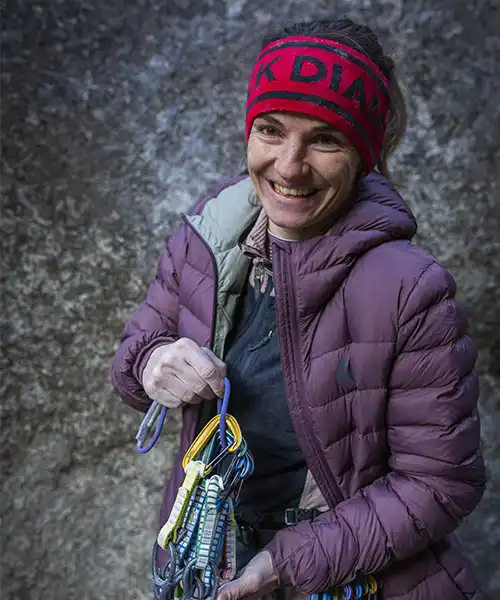
The Paul Preuss Prize honors Zangerl's athletic achievements as well as her ethically consistent approach and her promotion of free climbing. This award goes back to its namesake, Preuss – the best free climber of his time, who accepted climbing aids only for safety purposes.
More than a hundred years after his death, Paul Preuss remains the "father" of free climbing, whose principles are still valid today, despite rapid developments in equipment and technology.
IPPG
That might interest you
- Rätikon | Babsi Zangerl & Jacopo Larcher redpoint Next Generation (8b+, 170 m)
- Babsi Zangerl climbs her first 9a+ in Arco | Bombardino
+ + +
Credits Cover photo: Babsi Zangerl