


A new short film from Patagonia documents one of Chile's greatest conservation successes. It shows why the Cochamó Valley is so important for climbers worldwide.
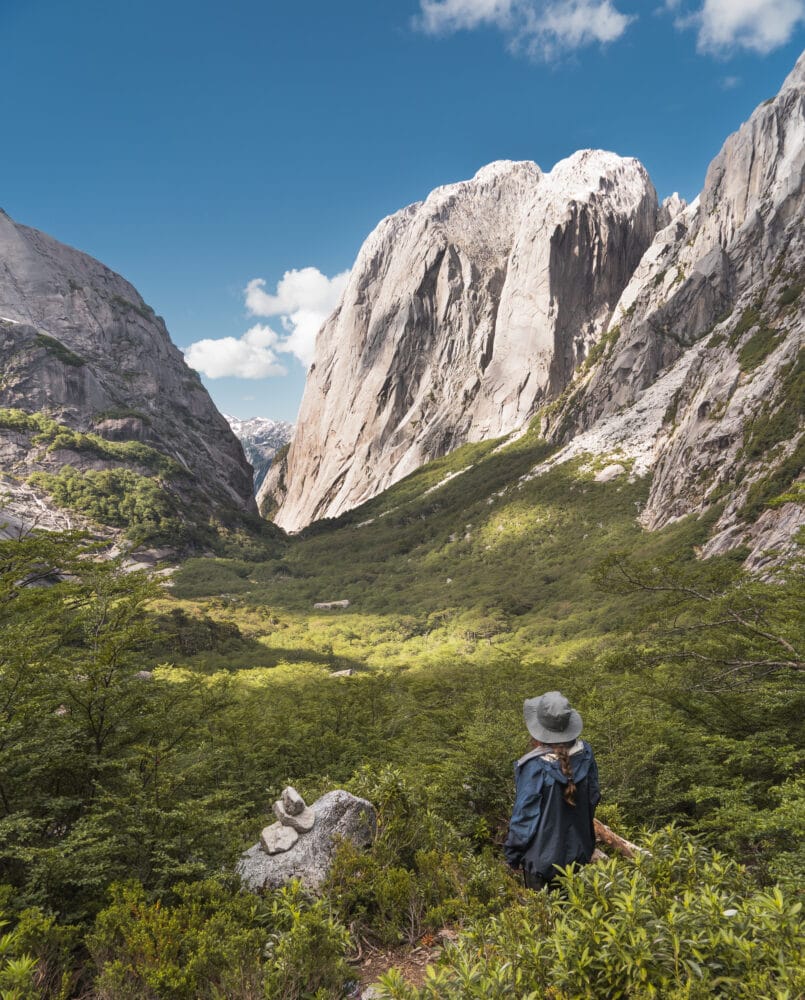
With granite walls up to 1000 meters high, over 200 established routes, primeval forests, and waterfalls, the Cochamó Valley in Chile's Los Lagos region is considered by many to be the most important big-wall climbing area in South America. Lonely Planet coined the nickname "Yosemite of South America," and the comparisons are not far-fetched. In December 2025, the initiative "Conserva Puchegüín"The purchase of the Fundo Puchegüín secured approximately 133,000 hectares of pristine nature in the heart of Cochamó. Patagonia's new short film now tells the story of this milestone in nature conservation."
World-class granite secured forever
Climbers will find legendary routes in Cochamó at locations such as Cerro Trinidad, Cerro La Junta, El Anfiteatro, and El Monstruo. These big-wall challenges rival the classics in Yosemite in height and quality. Tommy Caldwell sums it up perfectly: "It's difficult not to associate Cochamó with the Yosemite to compare, because of the quality of the granite, the waterfalls and the climbing style, with an incredibly high proportion of five-star pitches."

The purchase not only secures access to these walls but also protects the surrounding landscape in the long term from real estate development, land division, and invasive tourism. These threats have posed a threat to the valley since 2022, when the owner put the Fundo Puchegüín up for sale.
Over $78 million in less than two years
The "Conserva Puchegüín" campaign raised over US$78 million in less than two years. Thousands of donors from 21 countries made the purchase possible. The initiative was spearheaded by a coalition of the Chilean NGO Puelo Patagonia, The Nature Conservancy, the Freyja Foundation, the Wyss Foundation, and Patagonia Inc. Crucially, the project remained rooted in Cochamó, with the local community actively involved from the outset.

Since August 2025, the Fundo Puchegüín has belonged to the newly founded Fundación Conserva Puchegüín, a Chilean non-profit organization with an independent board. The conservation plan stipulates that at least 80 percent of the area will be placed under strict nature protection. Up to 20 percent will be reserved for sustainable uses such as agriculture and environmentally friendly tourism. This model respects traditional ways of life and continues to allow access for climbers.
When the opportunity arose to permanently protect this region, we knew: This is the decisive moment.
Anne Deane, President of the Freyja Foundation
Far more than a climbing paradise
The protected area is home to rare, endemic species such as the huemul deer, which adorns Chile's coat of arms, the pudú deer, the monito del Monte, and Darwin's frog. It also encompasses significant stands of alerce trees, ancient conifers that play a crucial role in climate protection as natural carbon sinks. The purchase closes a vital gap between existing protected areas: According to The Nature Conservancy, it connects approximately 1,6 million hectares of protected land in Chile and Argentina, forming one of Latin America's most important biological corridors.

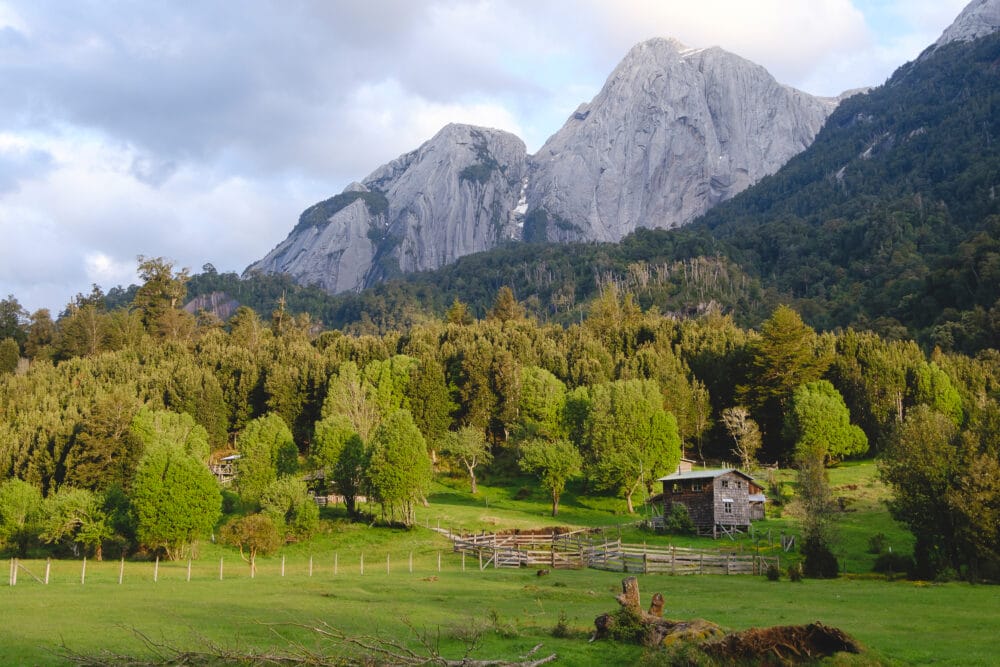
At the same time, the acquisition safeguards cultural practices and traditional ways of life in an area that comprises a third of the municipality of Cochamó. The settler families living there have been farming the land for over a hundred years.
The film: “Cochamó por Siempre”
The short film, approximately four minutes long, tells the story of this conservation success from the perspective of those who made it possible. Irish-Belgian professional climber Sean Villanueva O'Driscoll narrates the film, and Tommy Caldwell also shares his perspective. Both traveled to Cochamó together in early 2025 to climb and actively support the "Conserva Puchegüín" campaign. Caldwell, who had already announced his commitment to protecting the valley before his visit, subsequently described Cochamó in several interviews as "better than Yosemite in many ways." The film combines images of the iconic granite walls with voices from the local community, demonstrating the close connection between conservation and climbing in Cochamó.

However, final legal protection for the area is still pending. Thanks to the new Chilean law on biodiversity and protected areas (SBAP), the foundation is working to establish long-term protection mechanisms. Andrés Diez, CEO of Puelo Patagonia, says: “We know that it will take time to achieve final legal protection, and that this project is only just beginning. What is important is that there is now a clear commitment and a shared path forward to ensure long-term protection.”
Click here to watch the film:
You might be interested in:
- New ruling in the "Pitztal" case | Supreme Court confirms EIA requirement for Pitztal glacier expansion
- Foreigners pay more: Climbing trips in US national parks are becoming more expensive
+ + +
Credits: Cover image: Austin Siadak