


The Tyrolean brand for comfortable, functional climbing clothing has been around since 2001. We spoke with Chillaz about their ideas, values, and the production of their clothing, and learned a lot!
Brave steps and gentle footprints
The idea had been around for a long time: to create climbing clothing that does more than just "function." Escape from everyday life, straight into the gym or onto the crag – that was the idea behind the first Chillaz climbing pants. Clothing that can be worn every day, but is stretchy and comfortable enough to perform on the wall as well – and all under fair manufacturing conditions.

Chillaz founder Ulf Kattnig worked for a major textile manufacturer in Hong Kong for several years, so he's very familiar with the textile industry. When he founded the company, he knew "I want to do things differently."
In just his first year, he was able to inspire 40 retailers with his idea. For 24 years now, Chillaz has stood for clothing with just the right details: from sophisticated materials to the signature design with its serrated seam. But how does one create a collection that meets all of these unique requirements?
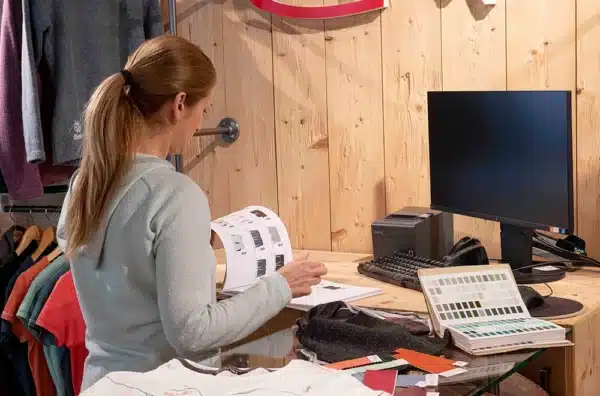
Brand philosophy and production facilities
Ulf leads the 14-person Chillaz team together with his wife Sandra. Their daughter is now also part of the family business and is involved in the marketing department. Chillaz's brand philosophy is simple: to constantly seek new ideas, while respecting the environment and its employees. This includes short transport routes, resource-efficient production, and a family-like atmosphere – including with producers in Turkey and Portugal.

But producing in a resource-efficient manner as a small company isn't always easy. It's important to find production facilities that can produce smaller minimum quantities, consistent with Chillaz's distribution model, and that can actually be purchased.
Chillaz deliberately chose to manufacture in Turkey because of its extensive textile manufacturing expertise and the ability to take place as close to the fibers' origins as possible. The cotton used for many garments, in particular, comes from Turkey. This allows for short delivery routes and reduces CO₂ emissions.

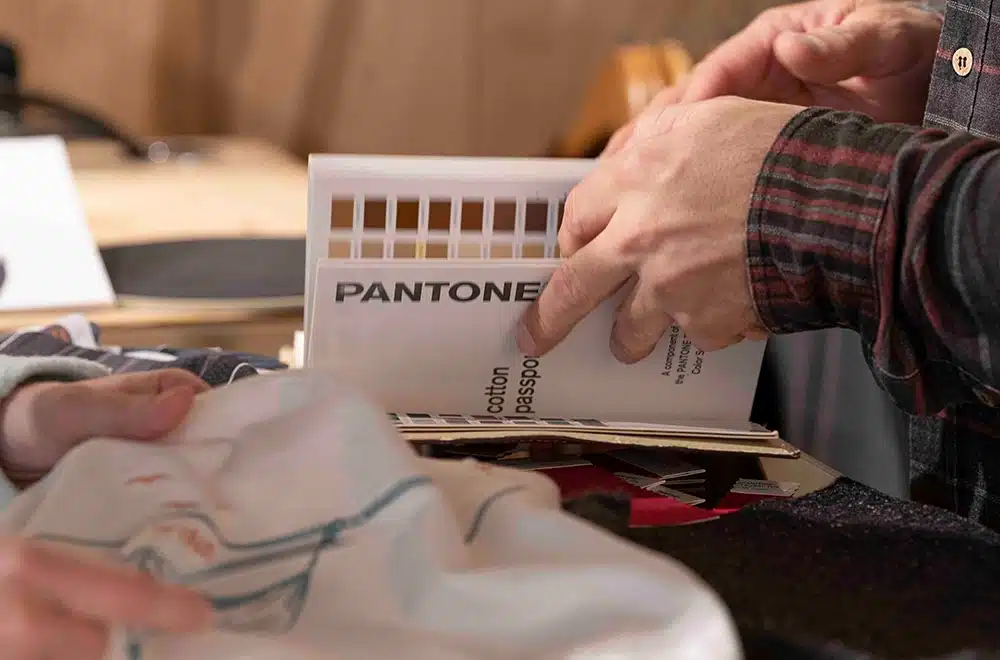

The brand primarily relies on ecologically produced fibers from Lenzing, namely lyocell and modal, known under the brand name Tencel. These wood-derived fibers have a good environmental footprint: They have a virtually closed production cycle and thus a high recycled content. In addition to resource-efficient production, the material mix also boasts a high level of comfort—smooth, breathable, and with a slightly cooling feel against the skin. Some Chillaz fabric blends also contain a certain amount of elastane for increased durability and better freedom of movement, and sometimes polyester for good moisture wicking.
Why Chillaz?
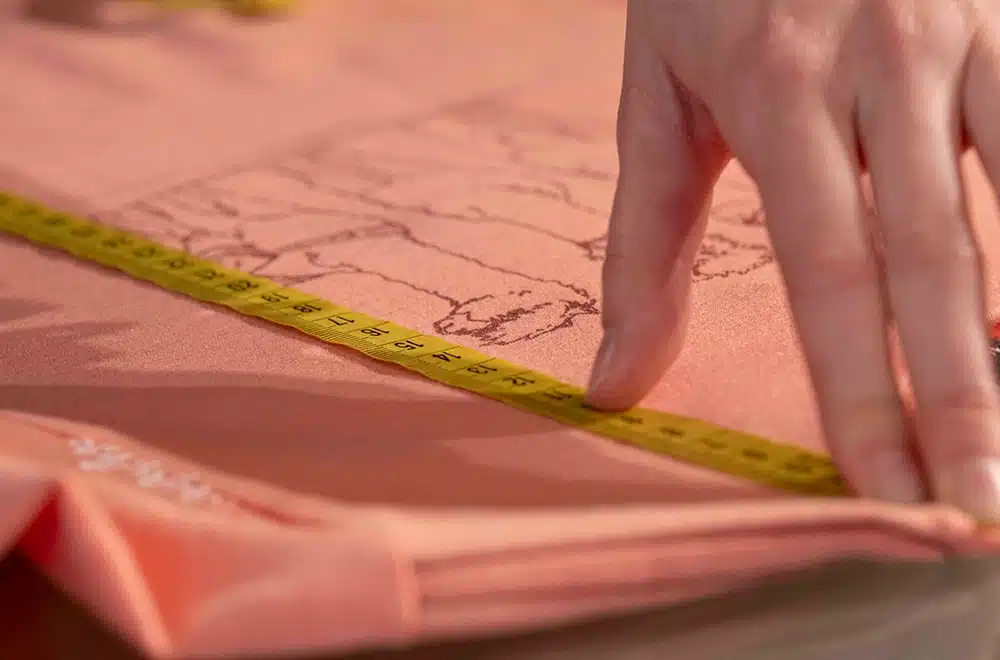
So much for the concept: Chillaz consistently checks its quality through multiple sampling and extensive practical testing – including, of course, on the rocks. Ulf and his team attach particular importance to optimal freedom of movement, ensuring the clothing offers the best possible comfort and flexibility in the field. This is how Chillaz has combined resource-efficient production with high functionality for 24 years.
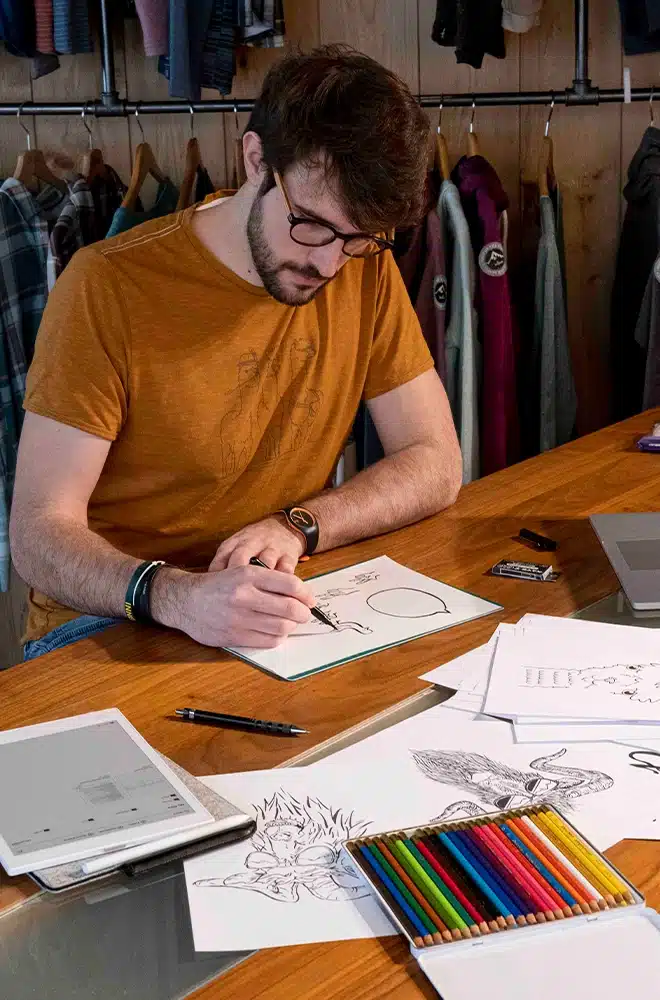
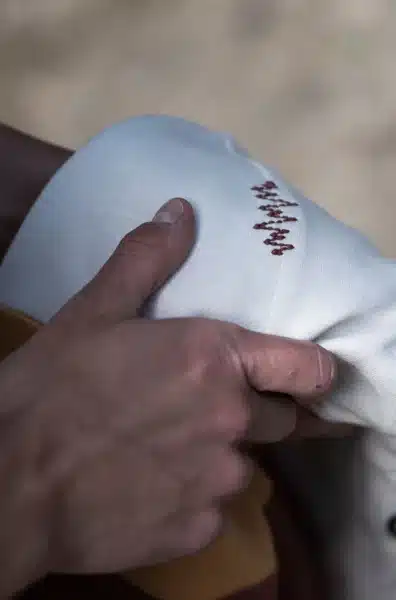
Anyone who owns a Chillaz piece might want to take a closer look: somewhere on the garment is a small detail that represents much more than just the trademark. It's the Tyrolean family business's famous zigzag seam. Thinking and acting differently: Chillaz is committed to this guiding principle. Exploring your own path instead of following the paved path.
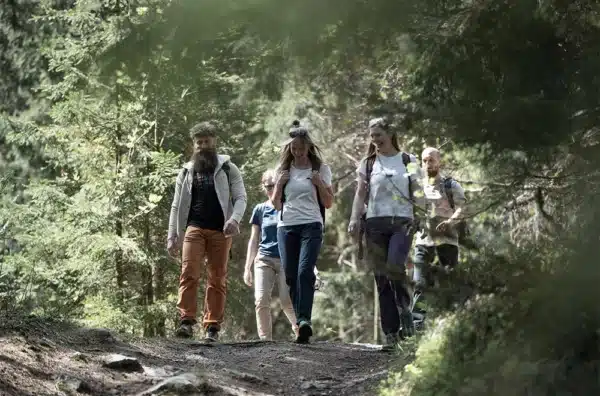
The climbing brand also offers clothing in plus sizes and extra-long lengths. "Because it's consistent, forward-thinking," David from the company's marketing department tells us. "Everyone should feel comfortable on the rock and be able to find clothing that's comfortable and looks stylish. Climbers are often tall. When they try on pants, they're often too short or don't fit around the knees. We even had that happen on our team. Sportswear should be as inclusive as the sport itself. At Chillaz, we want to offer something for every body type," he concludes.
You can find more information about Chillaz and the current collections here.


Our favorite pieces:


You might be interested in:
- Happiness: The story of a Tyrolean first ascent legend
- Path work in Austria: Dutch mountaineers support the Alpine Club
+ + +
Credits: All images were provided by Chillaz