


Stephan Siegrist, Benjamin Bosshard, and Filippo Sala have made the first ascent of the northwest ridge of the 6142-meter-high Baháʼí Jar/Shiva in India. The three Swiss climbers took advantage of a brief weather window in early October and reached the summit before the onset of snowfall.
The Baháʼí Jar, also known as "Shiva" by locals, is located in the Indian state of Himachal Pradesh in the southern Kishtwar Himalayas. According to their report, Siegrist, Bosshard, and Sala achieved the first ascent of the northwest ridge there between October 3rd and 6th, 2026.
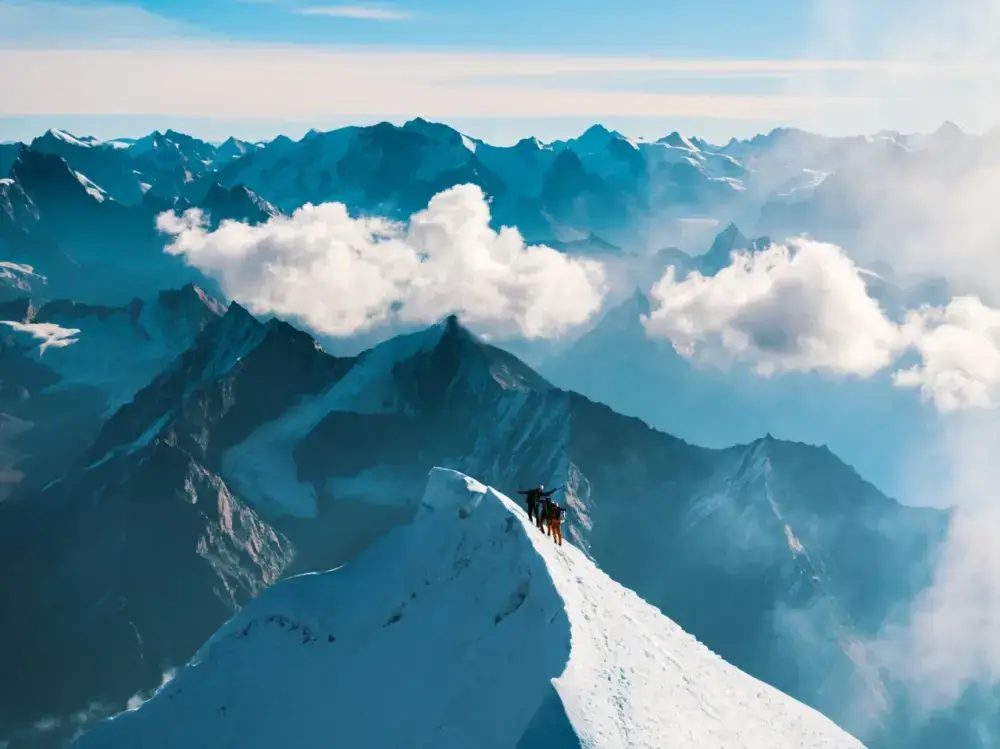
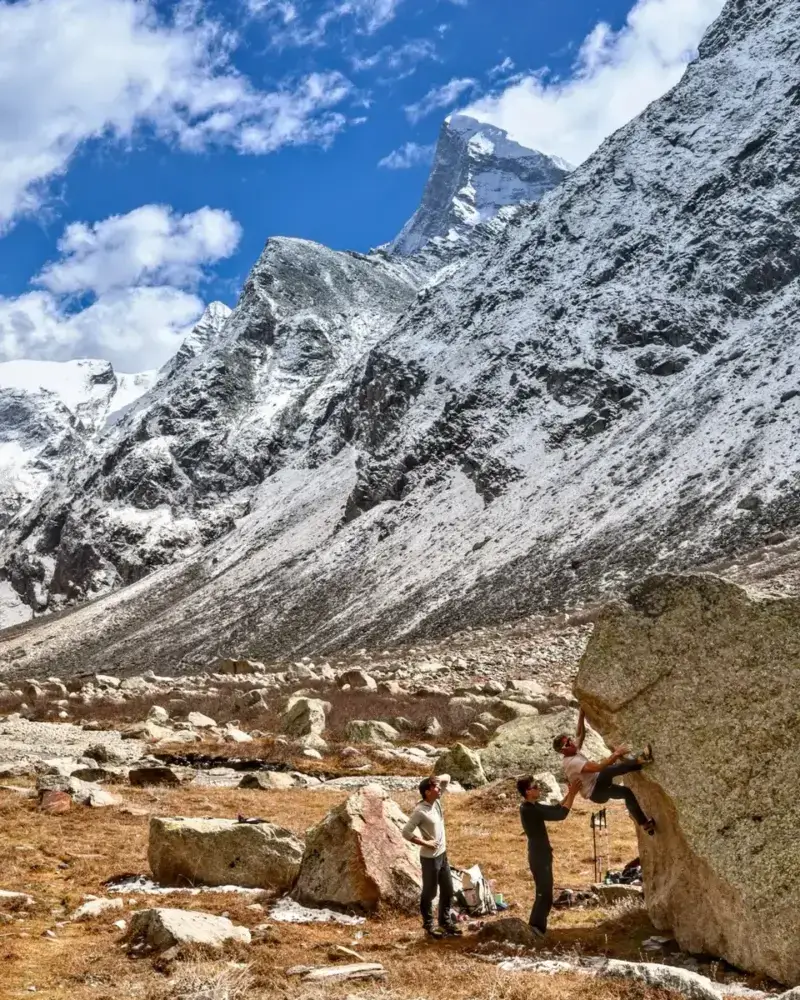
The route was one of two possible objectives on the mountain. The alternative, an ascent of the north face ridge, was deemed not safe enough in light of the impending snowfall and was therefore rejected. After three rest days at base camp, spent bouldering, the forecast called for four good days before persistent bad weather. The trio decided to attempt the previously unclimbed ridge, even though acclimatization was not yet complete.
Even the journey there became an obstacle course.
Even the journey to the mountain took an unexpected turn: Stephan Siegrist originally intended to tackle the climb with Jonas Schild, with whom he had already been there in 2018. After Schild had to cancel at short notice, Siegrist contacted his compatriot Filippo Sala, who in turn suggested Benjamin Bosshard as the third member of the rope team.
From a safety perspective, it's always better to be in a group of three on the mountain in such a place.
Stephan Siegrist
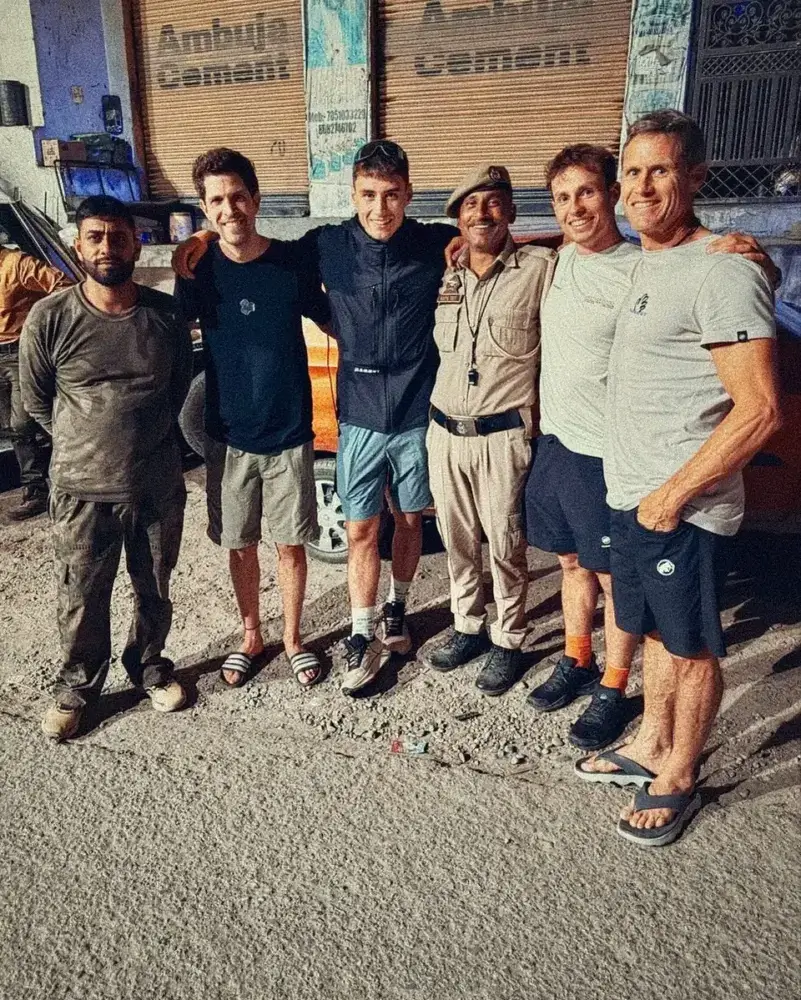
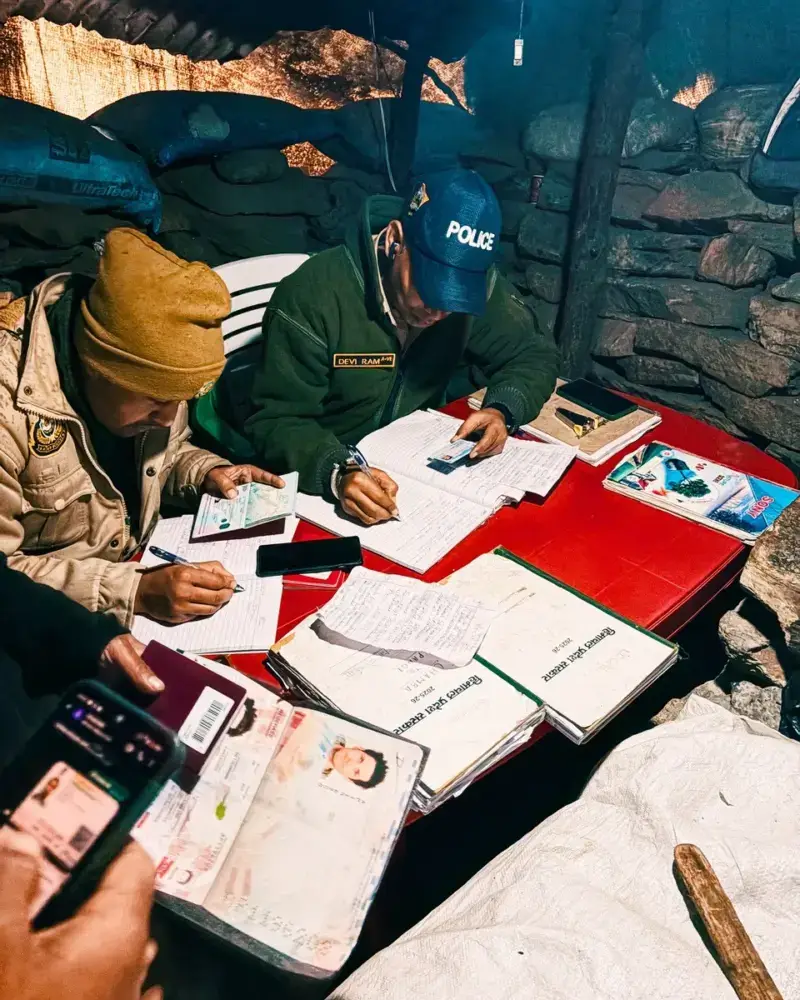
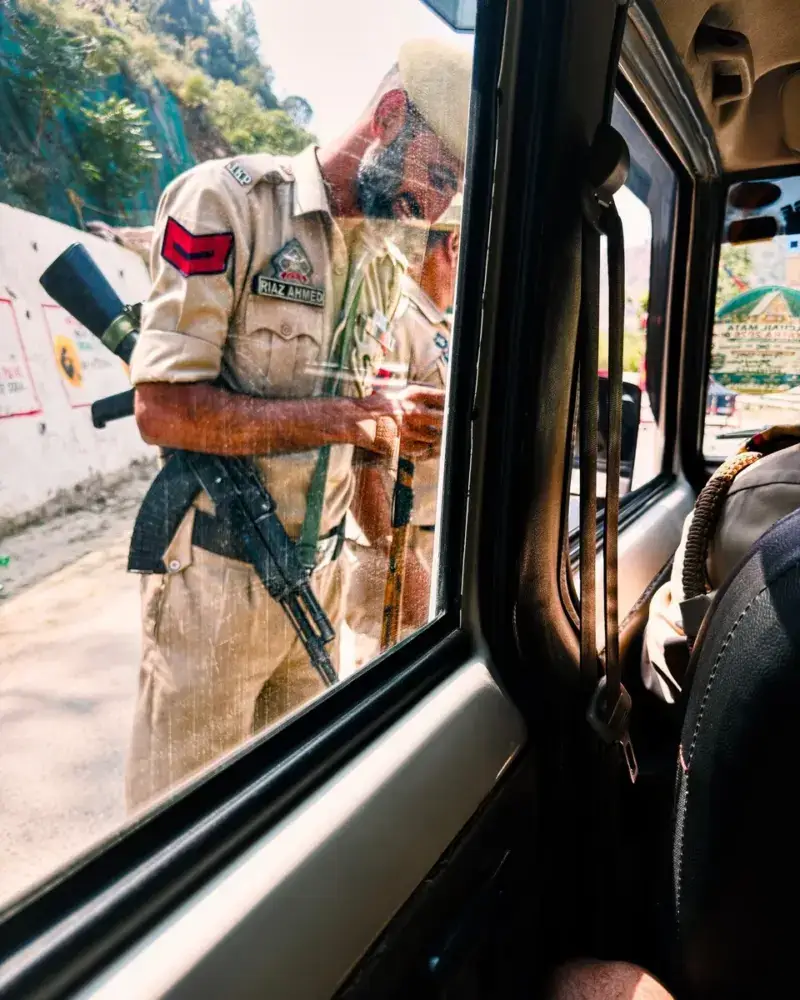
But the difficulties didn't end after their arrival. Despite having the necessary permits, the group had to leave Jammu and Kashmir after police checks, making the short route through the Chanab Valley impassable. The detour led over the Saach Pass, which is about 4400 meters high. Fresh snow and summer tires forced the team to push the car.
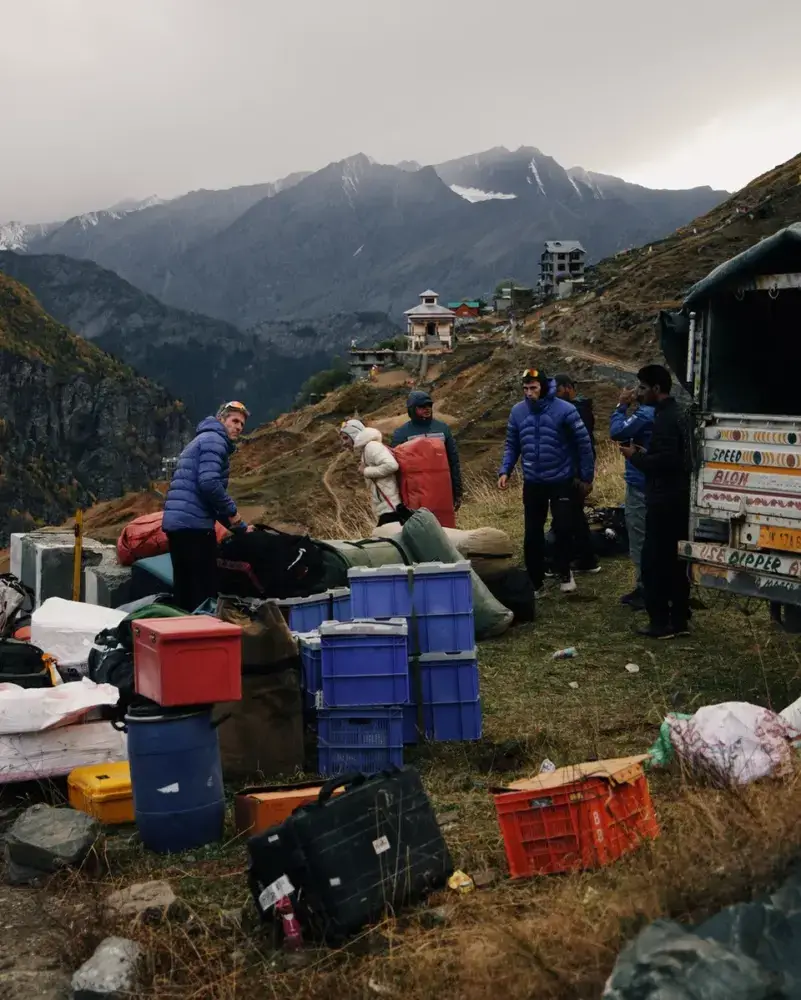
For Siegrist, it was a return to a region that particularly appealed to him – despite the difficulties in obtaining a permit. This, and especially the remote location, gave him the opportunity to travel through a very pristine landscape and climb beautiful mountains.
For a while, one still had the feeling of being in the Golden Age of Alpinism, when first ascents could still be made everywhere.
Stephan Siegrist
Headaches and a forgotten stove
On October 3, the three left base camp. According to Siegrist's report, Bosshard and Sala had never previously climbed higher than 5500 meters. The possibility of illness in terrain with a difficult retreat was a source of concern for everyone. Sala developed a headache on the very first night at 4900 meters.
An additional equipment problem arose: the stove was missing. Photographer Christoph Detschmann, who was accompanying the group, had unloaded it from one of the backpacks and forgotten to pack it again. This necessitated a creative solution, and Christoph came up with the idea of air freight. In two flights, the photographer used his drone to transport first the burner, then the pot. Fortunately, neither the drone nor the cargo was lost, and the expedition could continue.
In light of these difficulties, the three Swiss climbers had meanwhile postponed their summit expectations. First, they wanted to climb higher and acclimatize.
The summit opportunity returns on the northwest ridge.
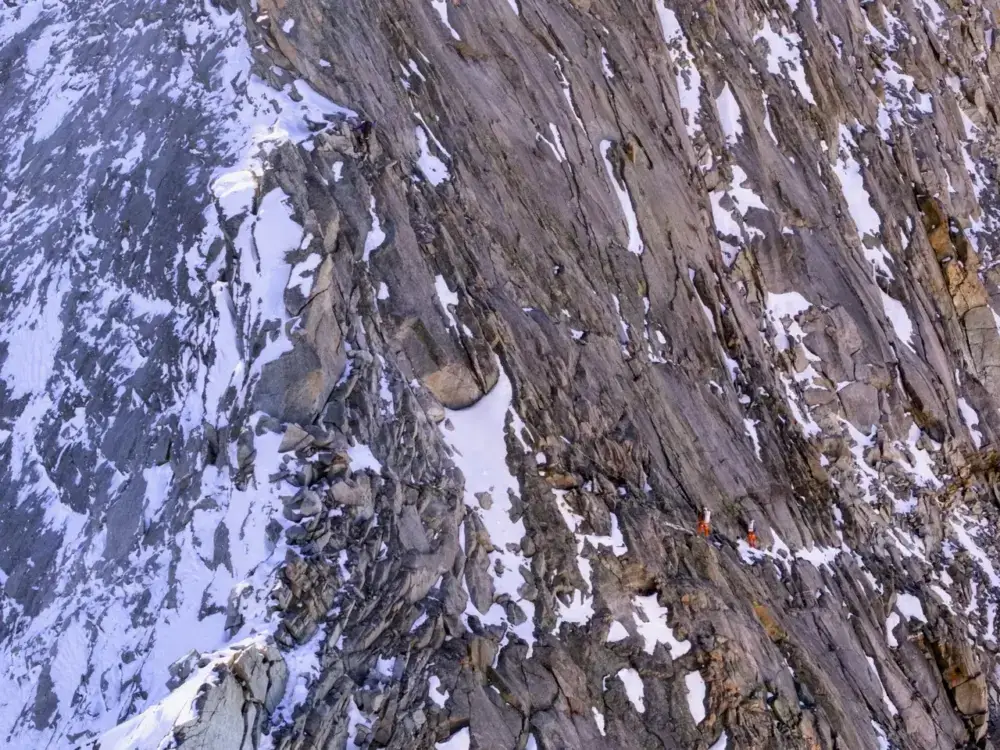
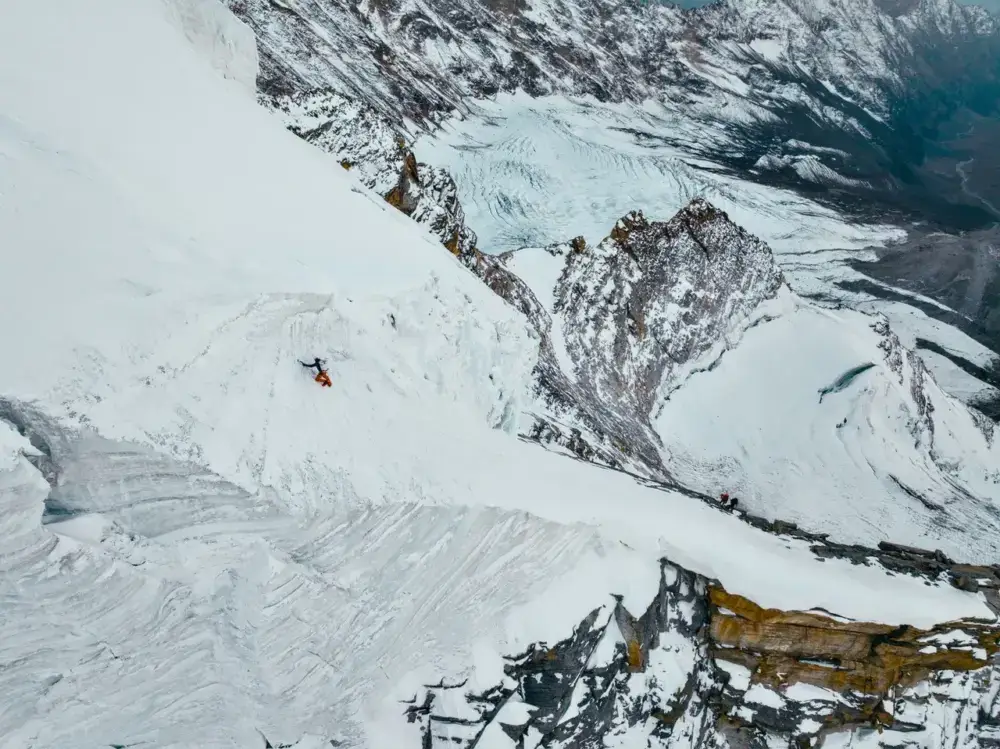
After the second night at 5250 meters, everyone felt good. They continued their ascent and reached the most technically challenging part of the tour: the northwest ridge. With each subsequent section, the summit seemed more and more within reach.
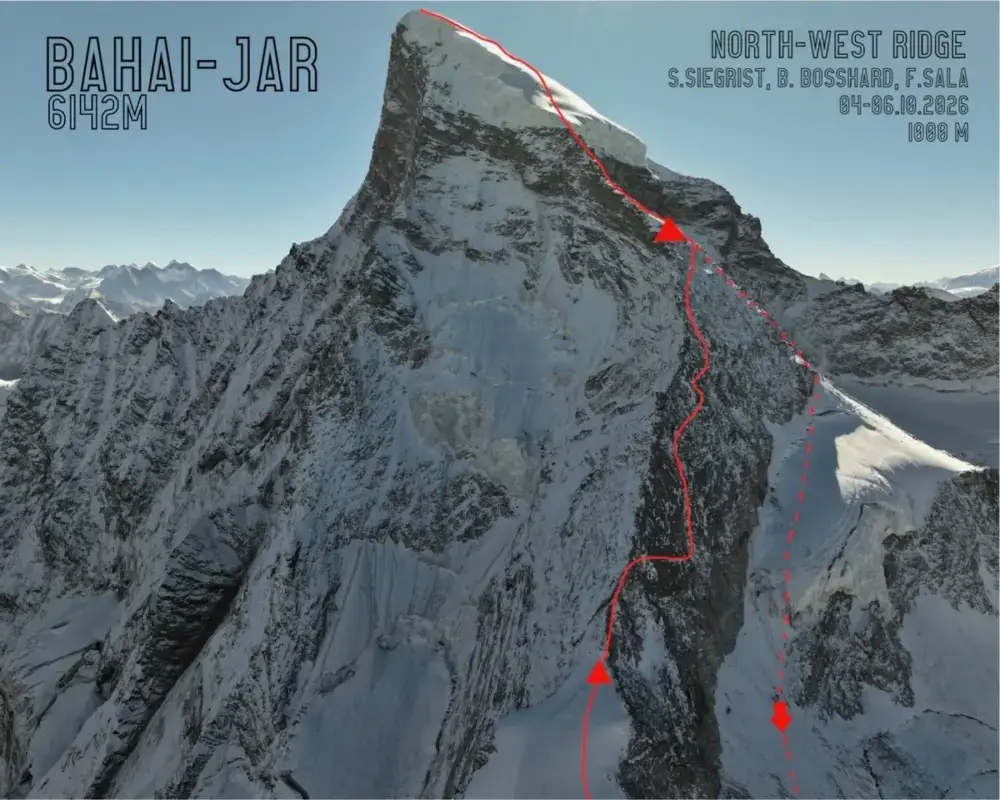
But at their third bivouac at 5700 meters, the situation worsened. After a strenuous day on the ridge, the updated forecast predicted a storm for the very next day. The three climbers again had doubts and considered turning back. Ultimately, they stayed, hoping for some good morning conditions for the final leg of their route.
At 7:44 a.m. at 6142 meters
No one slept that night, Siegrist writes. At four o'clock the trio set off. The sky held, and on the final slope, some 300 meters below the summit, success came within reach. At 7:44 a.m. the three stood on the summit – just six days after their arrival at base camp.
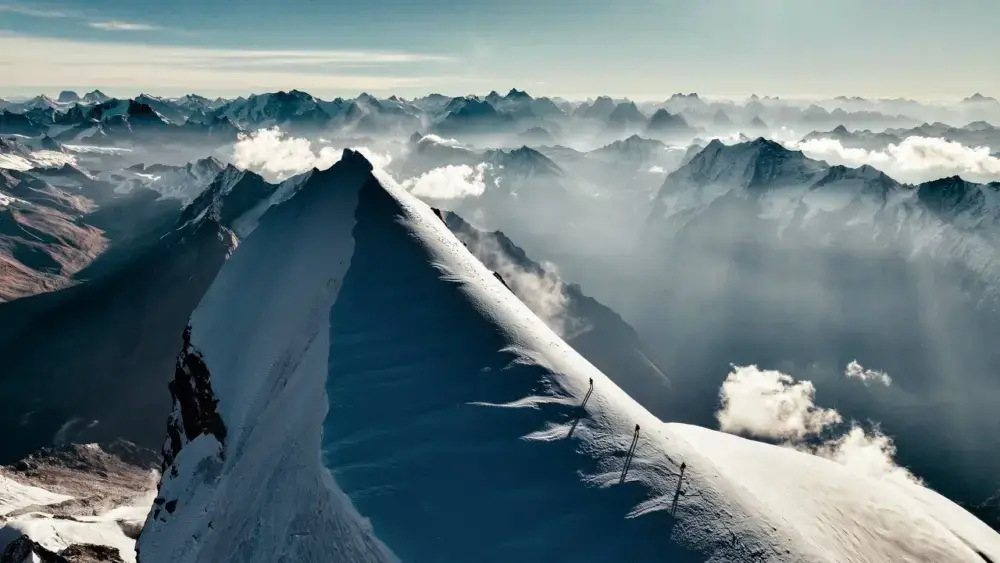
There was no time for a long break. They descended via the Japanese route from 1988. At 4900 meters, the sky had already overcast. As they reached base camp, it began to snow. The narrow weather window had just been enough for the ascent and return.
Siegrist: It's not the difficulty that makes the tour special
For the Swiss alpinist, the primary focus of this first ascent of Baháʼí Jar was not an exceptionally high level of technical difficulty. The decisive factor was the interplay of circumstances. "Everything came together perfectly," writes Stephan Siegrist in his expedition report. He was aware that their attempt without sufficient acclimatization was a gamble. However, his experiences in 2019 had taught him how quickly a weather window in the region can close and how long fresh powder snow can then linger.
It was a pleasure traveling with the two of them. I could practically be their father, after all, I'm 30 years older than them.
Stephan Siegrist

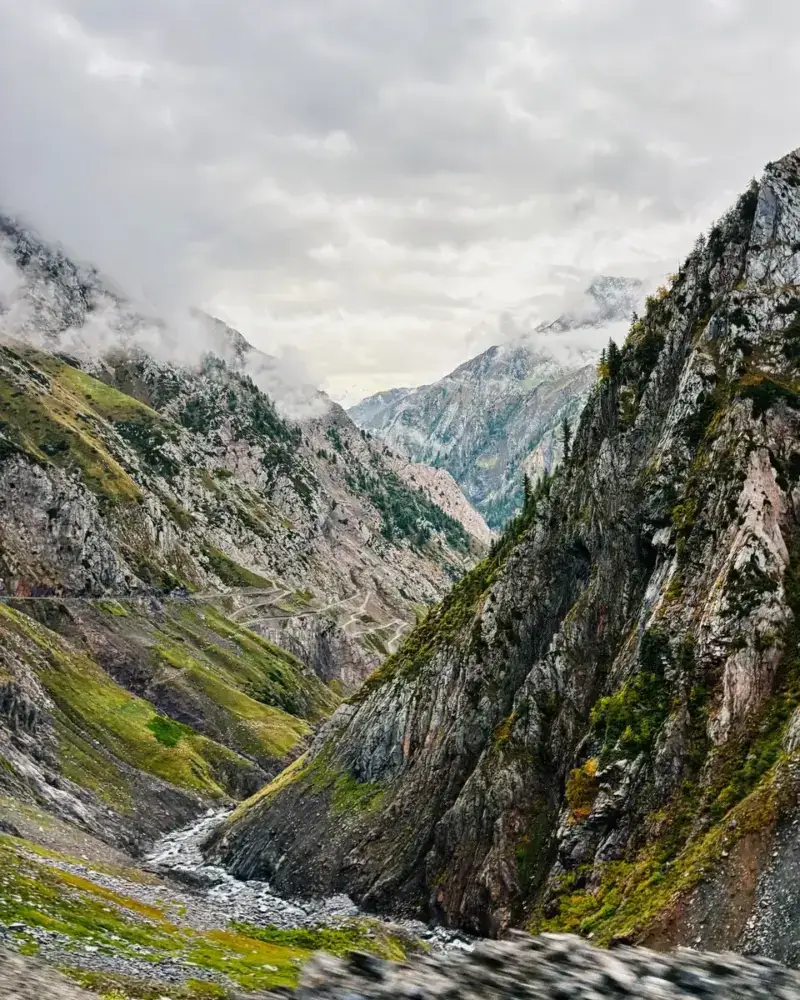
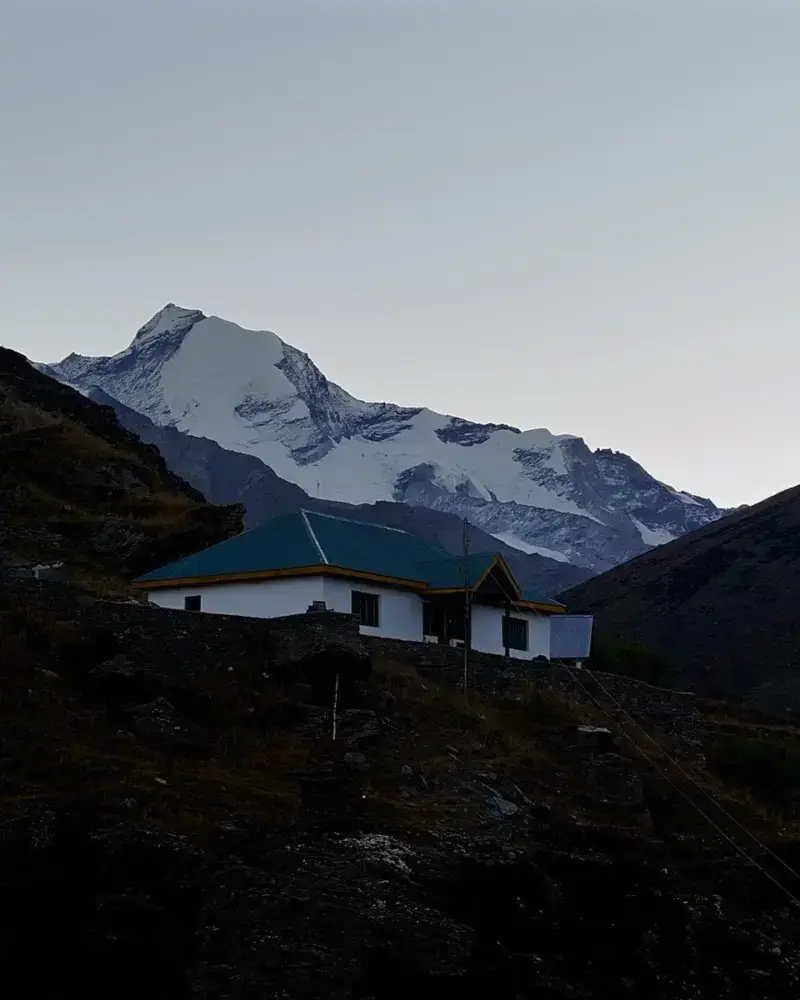
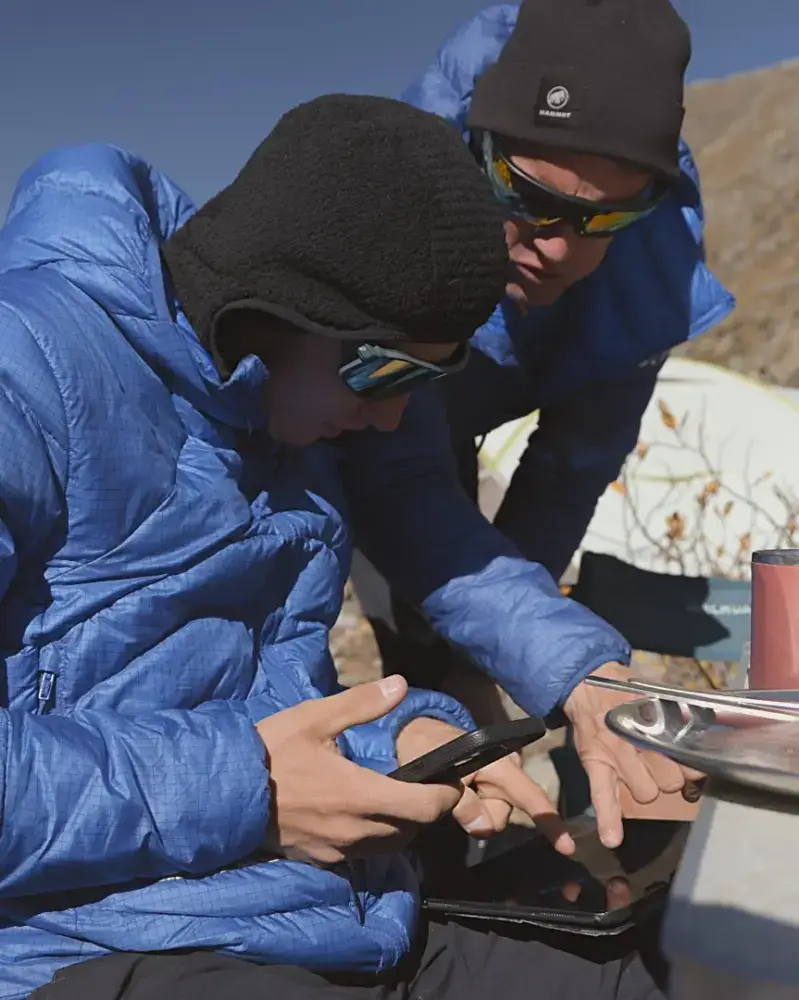
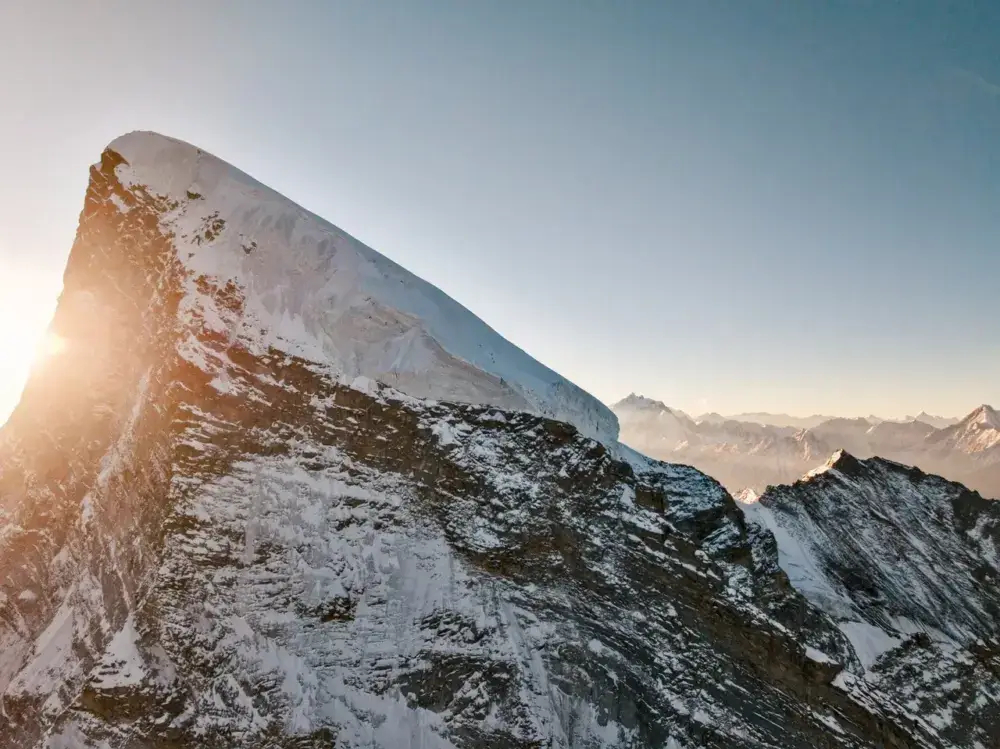
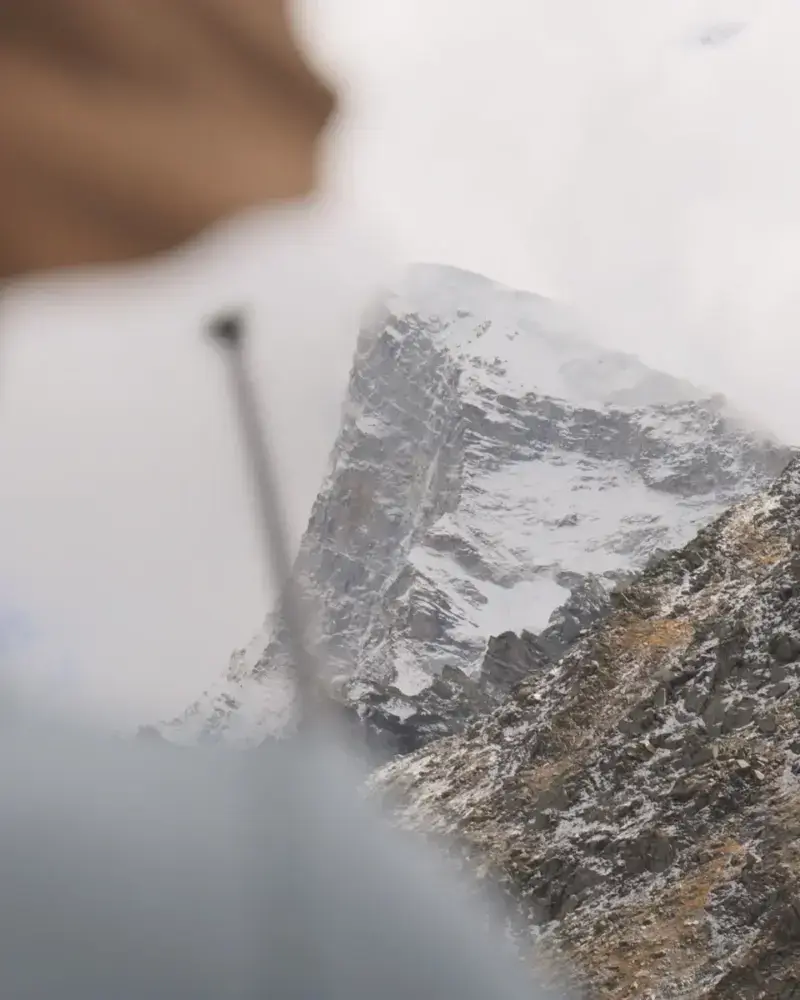
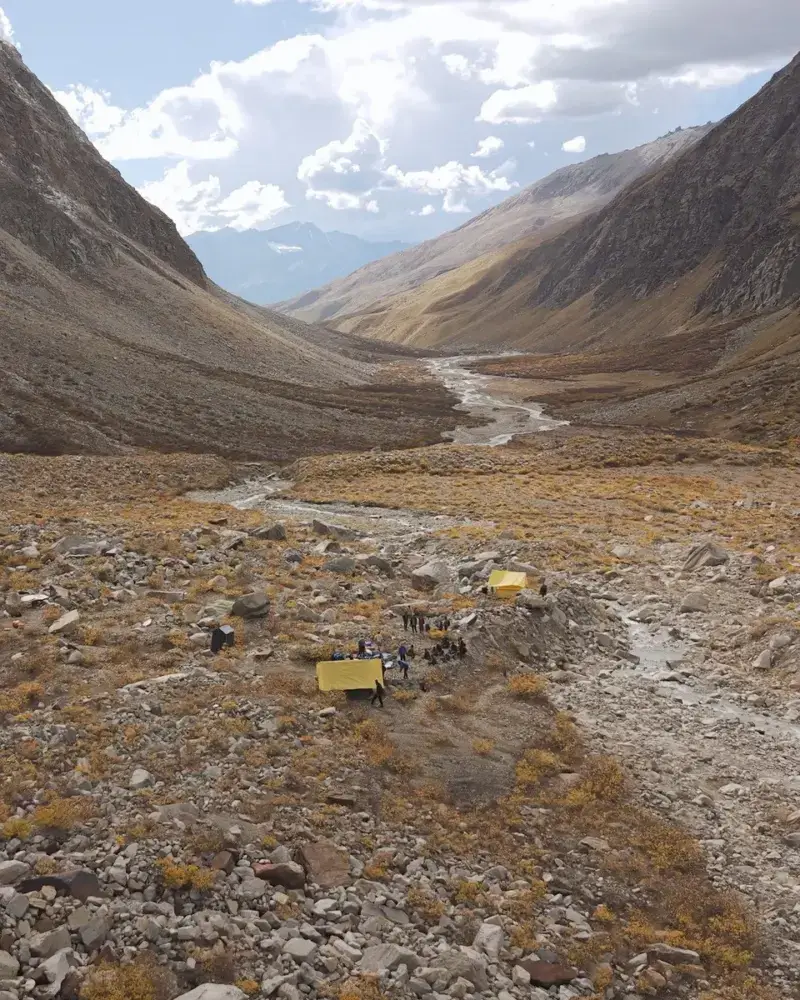
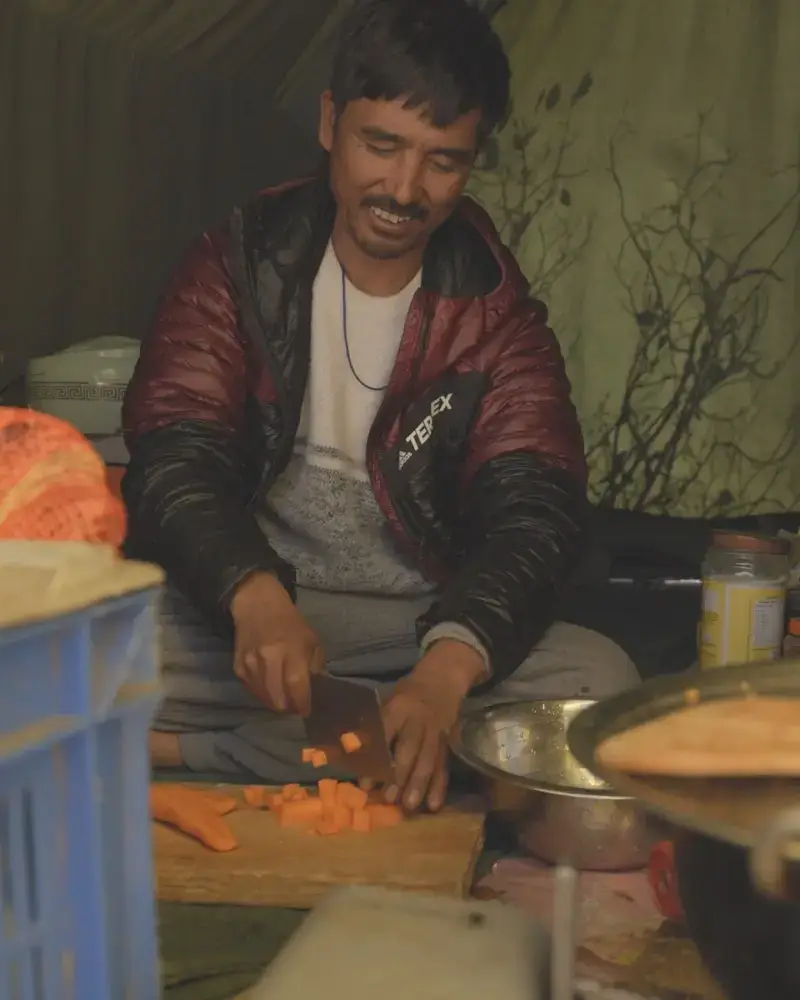
Impressions from the Himalayas. Photo credit: Christoph Detschmann 
Impressions from the Himalayas. Photo credit: Christoph Detschmann 
Impressions from the Himalayas. Photo credit: Christoph Detschmann Impressions from the Himalayas. Photo credit: Christoph Detschmann Impressions from the Himalayas. Photo credit: Christoph Detschmann Impressions from the Himalayas. Photo credit: Christoph Detschmann 
Impressions from the Himalayas. Photo credit: Christoph Detschmann 
Impressions from the Himalayas. Photo credit: Christoph Detschmann 
Impressions from the Himalayas. Photo credit: Christoph Detschmann Impressions from the Himalayas. Photo credit: Christoph Detschmann Impressions from the Himalayas. Photo credit: Christoph Detschmann Impressions from the Himalayas. Photo credit: Christoph Detschmann Impressions from the Himalayas. Photo credit: Christoph Detschmann Impressions from the Himalayas. Photo credit: Christoph Detschmann Impressions from the Himalayas. Photo credit: Christoph Detschmann Impressions from the Himalayas. Photo credit: Christoph Detschmann


Mountain portrait: Bahai Jar / Shiva
Mount Shiva, also known as Baháʼí Jar, rises in the Indian state of Himachal Pradesh. The 6142-meter-high mountain lies in the Chamba district, north of the Chenab River valley, in the southern Kishtwar Himalayas. Its alpine character is evident in its glaciated slopes and prominent ridges.
The first documented ascent was achieved in 1973 by an expedition of the Rikkyo University Alpine Club led by Shigeru Suzuki. Noritoshi Kato, Toshiki Takeuchi and Manhyal Sherpa reached the summit via the south ridge.
On August 19, 1975, the second ascent via the southwest ridge followed. This route was also first established by a Japanese team: Takaharu Suzuki, Yoshinori Yatsu, Yoshifumi Ogino, Koyo Kawasaki, and Hiroaki Kaneda.
In 1988, Junko Tabei led a Japanese women's expedition on the mountain. Tabei, Ryuko Matsuda, Toyo Kurai, and Kakuko Bizen, accompanied by three porters, ascended to the summit via the west ridge.
The event attracted international attention Ascent by the two Britons Mick Fowler and Paul RamsdeIn October 2012, they completed the first ascent of the northeast pillar. Their new route, "Prow of Shiva" (ED+), combines demanding mixed climbing with icy granite cracks and thinly coated slabs. For their first ascent, the alpinists were awarded the Piolet d'Or in 2013.
You may also be interested in
- Huber, Siegrist and Schaeli repeat Jeff Lowe's route Metanoia on the Eiger
- Reportage: First ascent by Stephan Siegrist, Nicolas Hojac and Lukas Hinterberger in Patagonia.
+ + +
Credits cover image: Christoph Detschmann